
The PCB (brain)
See all →Pick this first: it dictates the compatibility of everything else (ISO/ANSI, switch type, hotswap).
Loading...
Pick the scenario that matches you. We'll guide you to the right products.
Size determines the number of keys and keycap format.
Layout means the arrangement of keys on your keyboard.
It's the #1 criterion experts mention for a first custom keyboard. Hotswap = you change your switches in 2 minutes without soldering. Soldered = you have to re-solder every time (rare skill). Bonus: most hotswap PCBs are also VIA/QMK compatible (remap your keys without soldering, ideal for adding AZERTY to an ANSI keyboard for example).
Your use case determines the switch type (the actuator under each key) that suits you.
Looking for a specific profile?
Switches are the actuators under each key. They determine the feel and sound of every keystroke.
Keycaps are the visible keytops. We filtered on the layout you gave us.
Here's a recap of what you picked:
A thick deskmat under the keyboard directly improves the sound (the "thock" effect). Backed by expert keyboard builders.
A colourful cable transforms the whole look of your setup. Our simple models are the fastest sellers.
Pick this first: it dictates the compatibility of everything else (ISO/ANSI, switch type, hotswap).
The plate material directly impacts keyboard sound. Steel = sharp/dry, alu = neutral, brass = full, FR4/polycarbonate = deep "thock", POM = highly damped. Pick based on the sound signature you want.
The profile describes the shape and height of the keys. Two families:
For a beginner coming from a classic keyboard, Cherry or OEM are the most natural.
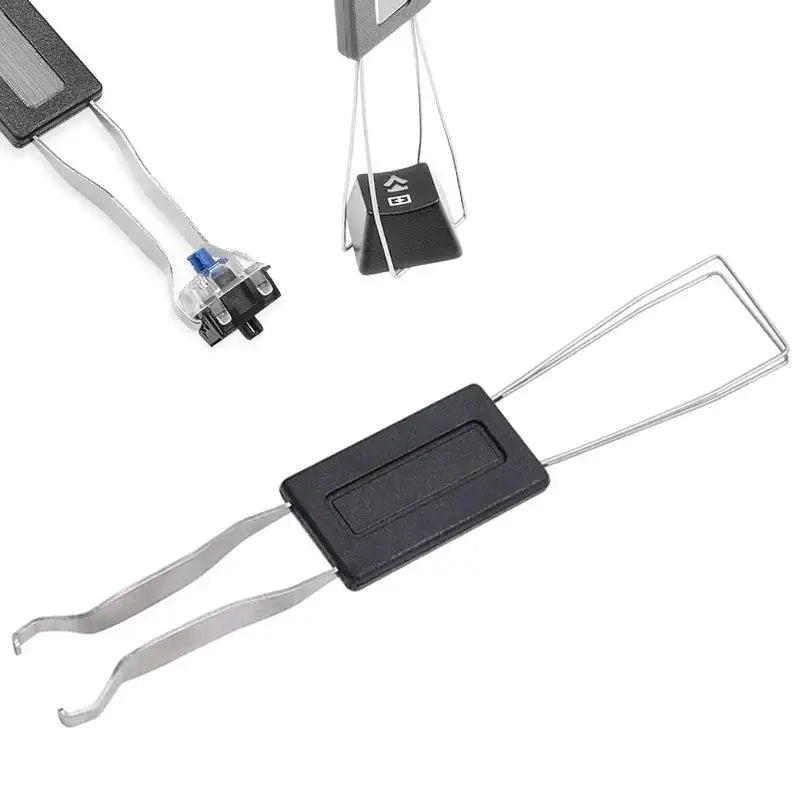
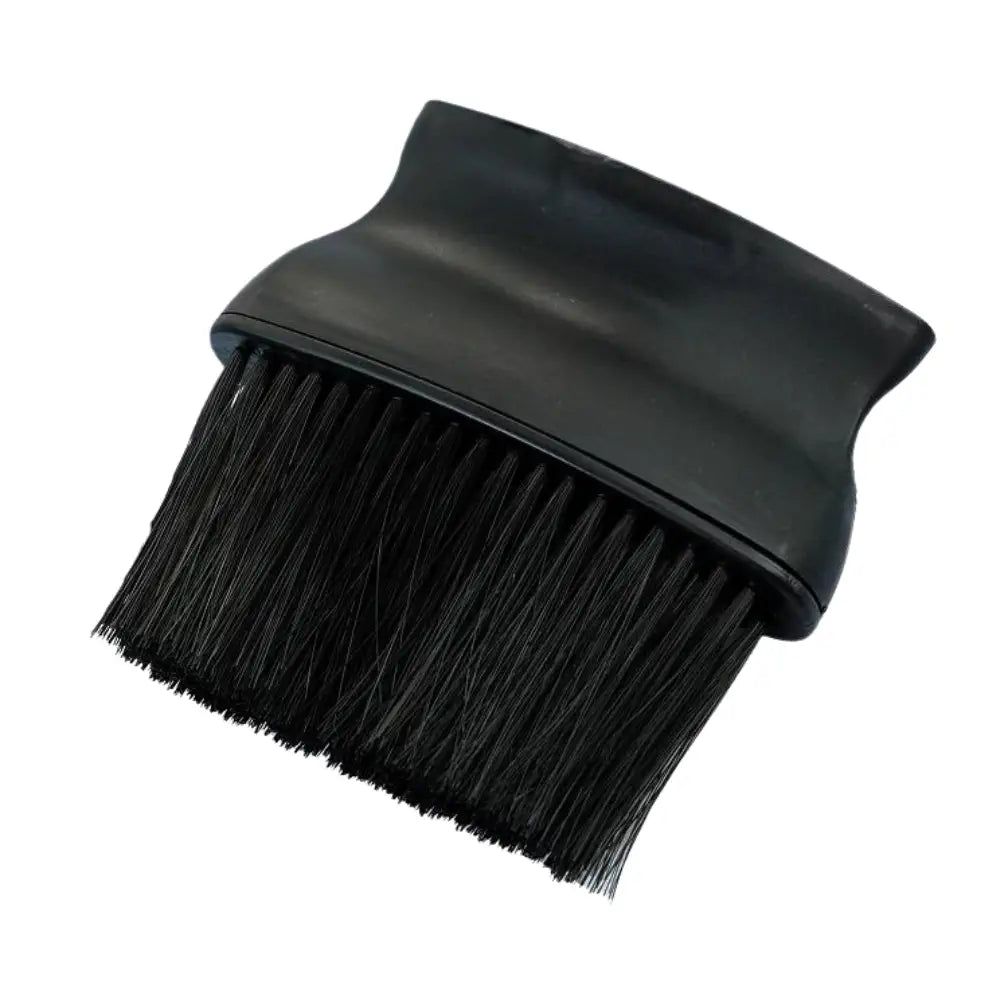
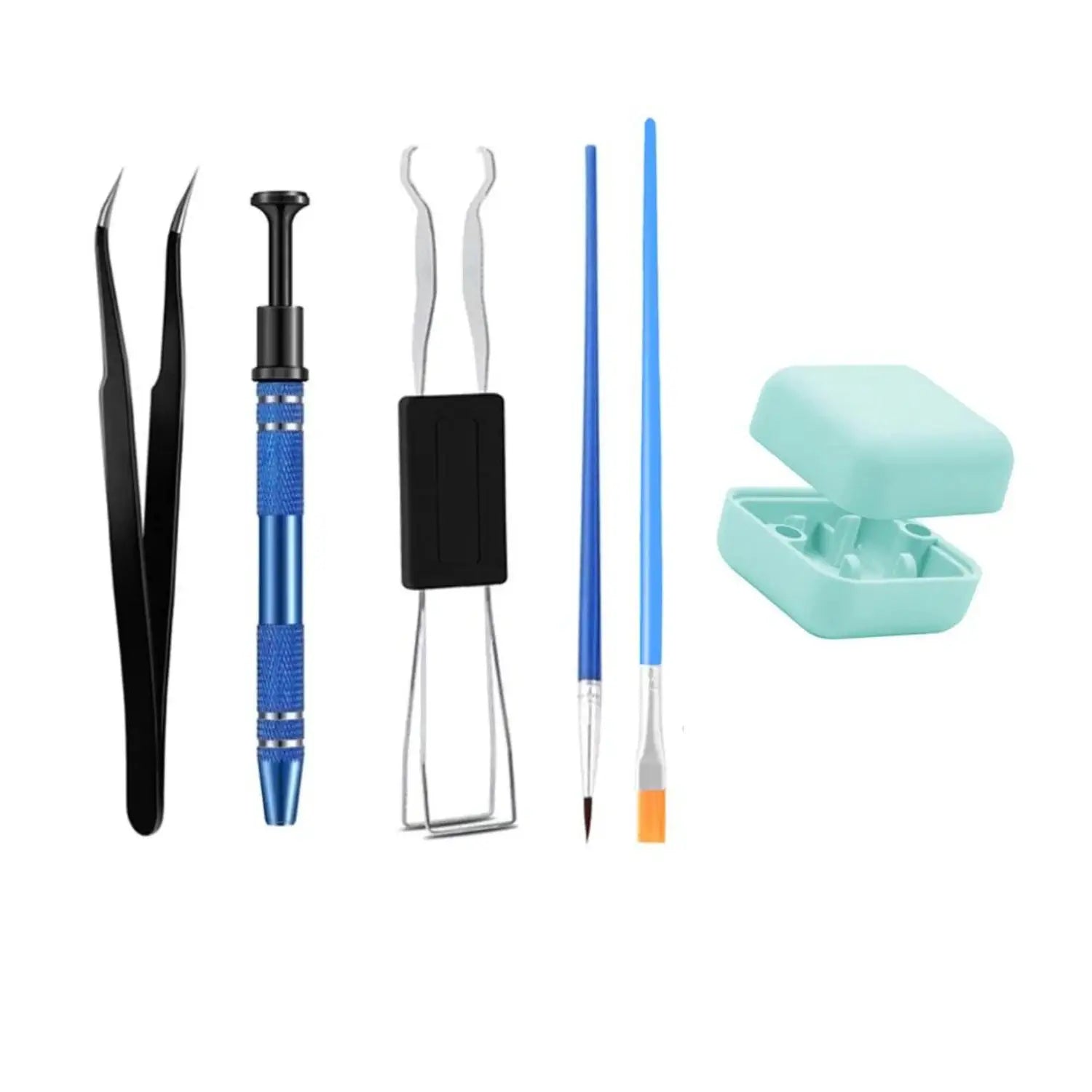
Accessories