-
 Sold outKEYCHRON
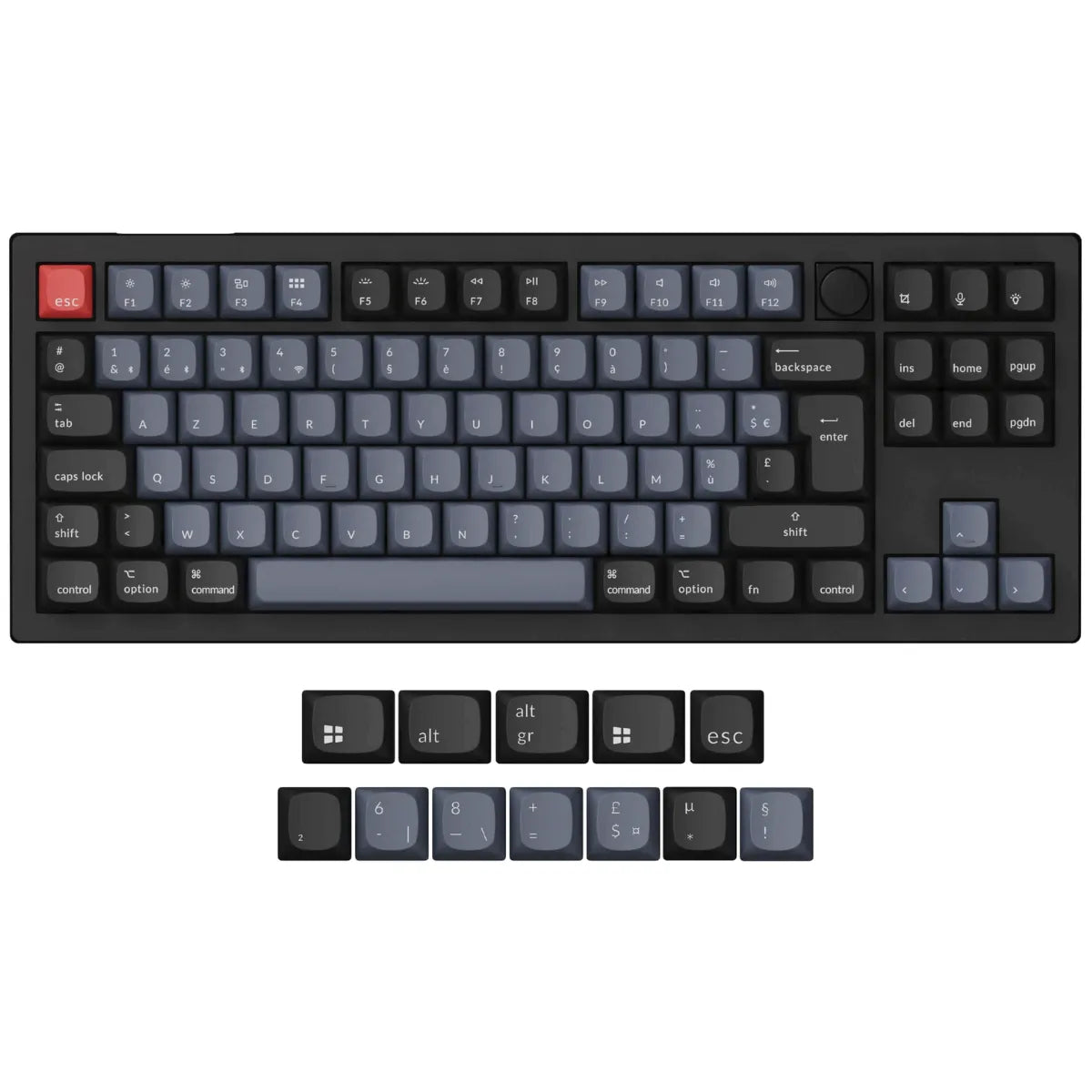
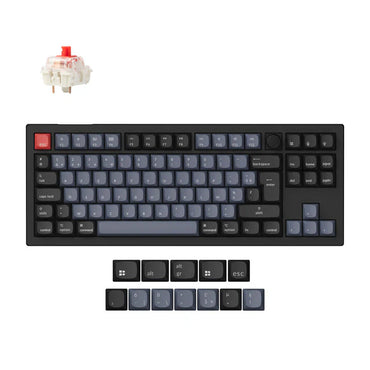
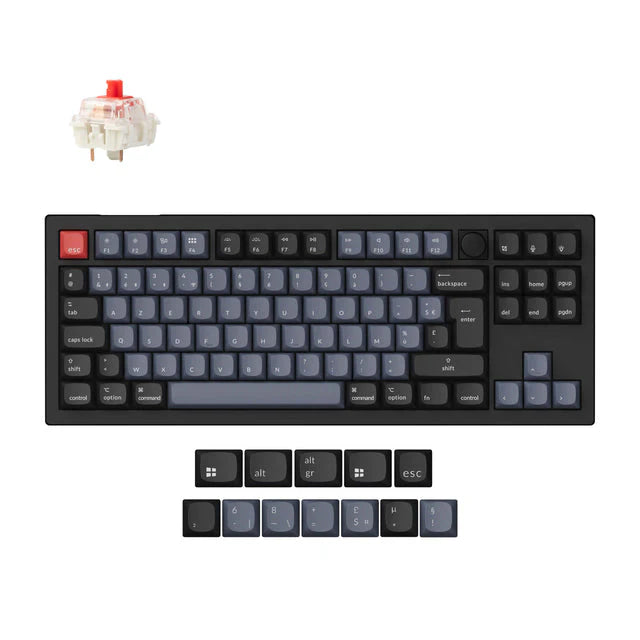
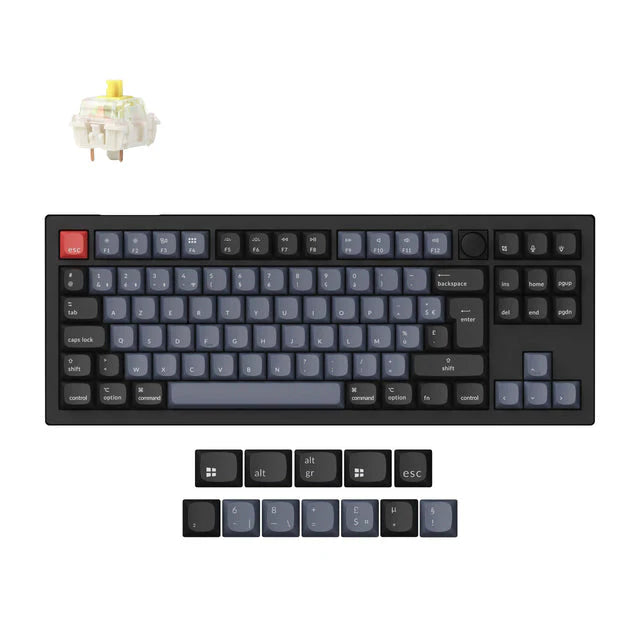
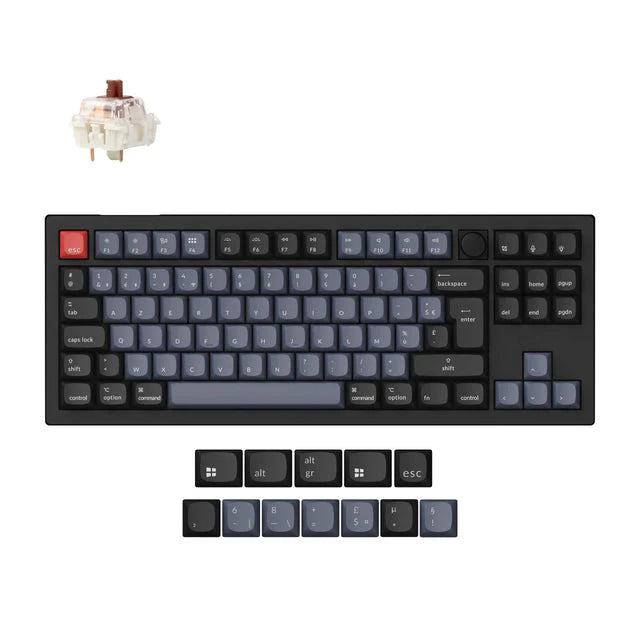
Keychron V3 Max Wireless AZERTY TKL 80%
Keychron V3 Max – TKL ISO-FR, programmable & wireless 🚀 Model: Keychron V3 Max QMK/VIA Wireless – French ISO layout...
€102,99€102,99€102,99 -
 CustomTonClavier.fr
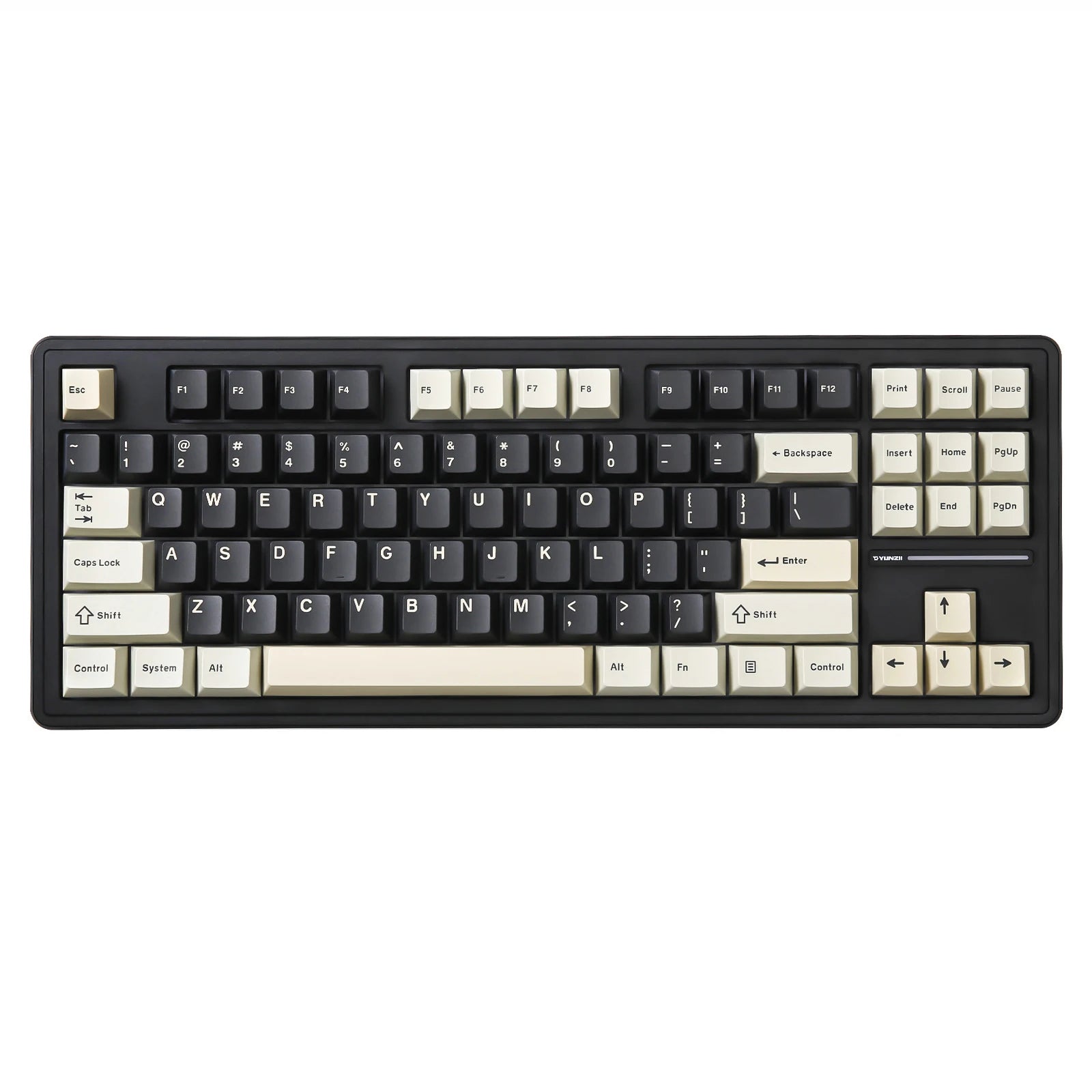
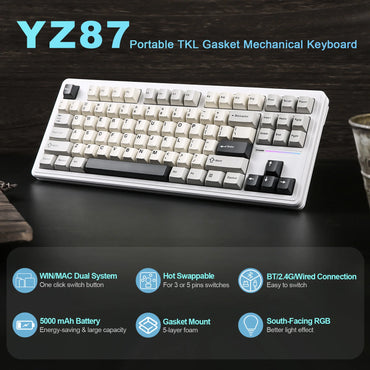
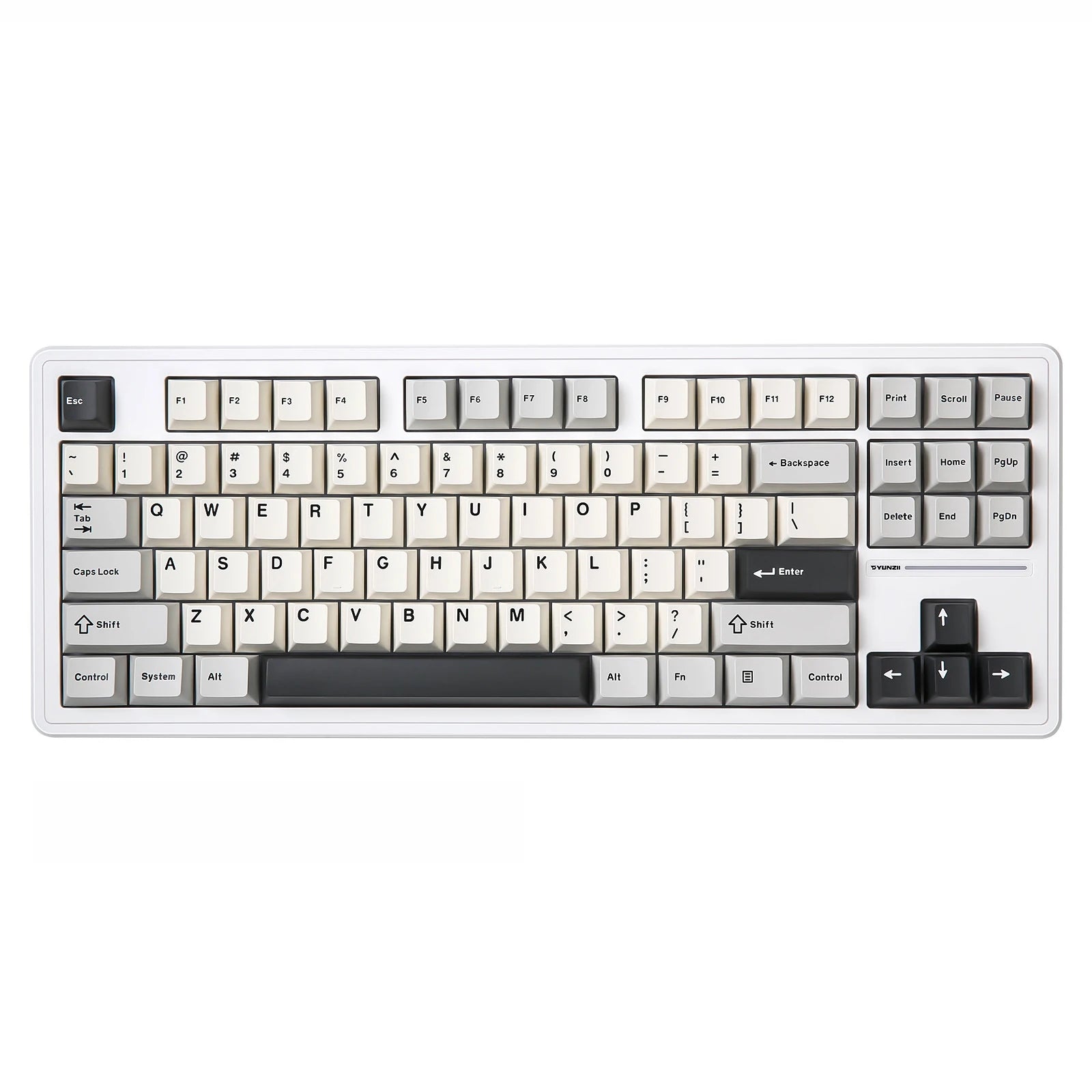
Discover the Custom YZ87 TKL Keyboard Format: TKL 87 keys, ANSI/QWERTY layout Mount: Gasket mount for a softer, quieter typing...
€172,00€172,00€172,00
The TKL (tenkeyless) or 80% keyboard represents the perfect compromise between functionality and compactness. With its 87-88 keys depending on the ANSI/ISO layout, it retains the essentials while only removing the numeric keypad. This 20% reduction in width (~358mm versus 440mm) frees up crucial space for your mouse.
Why gamers love the TKL format
The main advantage of a TKL keyboard lies in its optimized keyboard-mouse distance. This proximity drastically improves your ergonomics by reducing shoulder strain and allowing for wider mouse movements—essential for competitive FPS games. Esports pros like yay (Valorant) and Twistzz (CS:GO) exclusively use this layout for these competitive advantages.
Office automation and optimized productivity
In a business setting, the 80% keyboard excels thanks to its superior ergonomics. It allows for better body positioning in front of the screen and frees up space for other equipment. Developers and creative professionals particularly appreciate this space saving without sacrificing the F1-F12 keys or the navigation cluster.
Understanding TKL terminology vs 80%
The term "tenkeyless" comes from the absence of a numeric keypad ("ten key"), while "80%" refers to the percentage of keys retained (87/104 ≈ 84%, rounded up for commercial purposes). This designation dates back to the IBM Space Saving Keyboard of 1986, the ancestor of all modern TKLs.
The only significant drawback is the lack of a numeric keypad, which can slow down intensive data entry. However, for 90% of users, the TKL keyboard remains the ideal format, combining ergonomics, gaming performance, and modern aesthetics.
Building your own custom keyboard
-
96 items
-
67 items
-
70 items
-
146 items
-
10 items
-
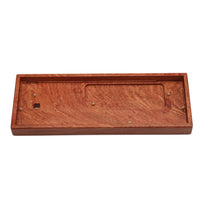
9 items
-
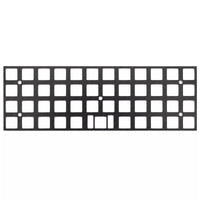
7 items
-
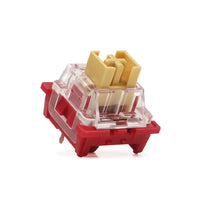
32 items
-
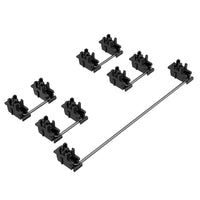
14 items
-
40 items